China
Gluten-Free Dining in Shanghai
Shanghai's cuisine relies heavily on soy sauce and wheat noodles, making coeliac dining a genuine challenge — but a growing number of health-focused cafes and international restaurants offer safe options.
Get the Shanghai GF dining cheat sheet
New Venue-Confirmed restaurants in Shanghai, straight to your inbox.
Shanghai's celebrated cuisine — xiaolongbao, noodles, red-braised dishes — is built on soy sauce and wheat flour, making it one of the harder cities for coeliacs. A traditional Shanghainese meal is rarely gluten-free without significant modification.
The realistic strategy in Shanghai is to lean on international and health-focused restaurants that understand dietary requirements, where tamari (wheat-free soy sauce) and gluten-free breads are available, and where staff can accommodate allergen requests.
With preparation — a Chinese-language gluten-free chef card, researched venues, and realistic expectations — coeliacs can eat safely in Shanghai. This guide covers the most reliable options and the key dishes and ingredients to avoid.
Top Gluten-Free Venues in Shanghai
Pure & Whole
Multiple locations · Vegetarian / Healthy
A vegetarian chain focused on healthy, whole-food cooking. Many dishes are naturally gluten-free, and staff understand dietary requirements. Confirm sauces are wheat-free before ordering.
Wagas
Multiple locations · Cafe / Fast Casual
A popular expat cafe chain offering gluten-free bread and several GF-marked dishes. Kitchens are shared, so confirm cross-contamination protocols with staff.
Baker & Spice
Multiple locations · Bakery / Cafe
An artisan bakery-cafe with gluten-free bread and some GF options. Not a dedicated facility — confirm protocols if you are highly sensitive.
Element Fresh
Multiple locations · Healthy Cafe
A health-focused cafe chain with an allergen matrix and clearly marked GF options. Good for breakfast and lunch with reasonable coeliac awareness.
M on the Bund
The Bund · European / Fine Dining
A celebrated European restaurant on the Bund that accommodates dietary requirements with advance notice. Call ahead and explain coeliac needs; the kitchen can prepare safe dishes.
Kommune
Former French Concession · Cafe / International
A relaxed cafe in the Former French Concession with several gluten-free options and staff who understand dietary requests. Good for brunch and casual dining.
Where to Eat by Suburb
Former French Concession
The heart of Shanghai's cafe culture and the best area for coeliac-aware international dining, with venues like Kommune and several health-focused restaurants.
The Bund
Home to high-end international restaurants like M on the Bund that can accommodate coeliac requirements with advance notice. Book ahead and explain your needs.
Jing'an
A central district with expat-oriented cafes including Wagas and Element Fresh locations, offering GF-friendly options and reasonable allergen awareness.
Xintiandi
An upscale dining precinct with international restaurants that are more likely to understand coeliac requirements than traditional Shanghainese kitchens.
Lujiazui
The Pudong financial district has international hotel restaurants and cafes with allergen-aware kitchens. Good for business travellers needing safe options.
Tips for Coeliacs in Shanghai
Soy sauce contains wheat and is used throughout Chinese cooking. Assume a dish is NOT gluten-free unless confirmed. Ask whether dishes can be made with tamari or without soy sauce.
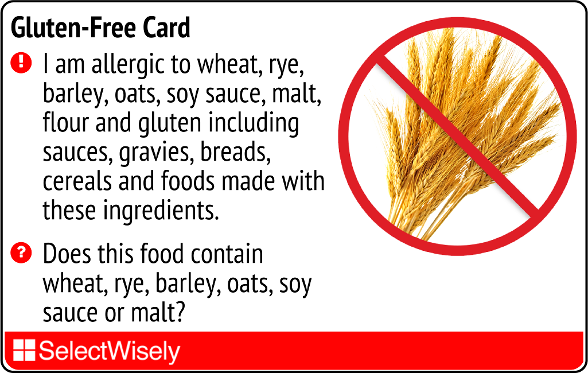
Carry a gluten-free chef card in Chinese (simplified). Traditional Shanghai kitchens may not be familiar with coeliac disease; a written explanation is essential.
Xiaolongbao, noodles, dumpling wrappers, and red-braised dishes are wheat-based and should be avoided entirely unless at a dedicated GF restaurant.
International and health-focused cafes (Pure & Whole, Wagas, Element Fresh) are your safest bet. They carry GF bread and understand allergen requests far better than traditional restaurants.
Travelling to the coeliac-safe city?
Translation cards, travel snacks and portable essentials from the GF Pantry.



Frequently Asked Questions
Is Shanghai safe for coeliacs?
Shanghai is challenging because soy sauce and wheat noodles are central to the cuisine. Safe dining is possible with preparation — stick to health-focused international cafes, carry a Chinese-language chef card, and always confirm sauces are wheat-free.
Does Shanghai have dedicated gluten-free restaurants?
Dedicated gluten-free restaurants are very rare in Shanghai. Your safest options are international and vegetarian cafes that carry GF bread and understand allergen requests, such as Pure & Whole, Wagas, and Element Fresh.
Can I eat xiaolongbao or dumplings as a coeliac?
No. Traditional xiaolongbao and most dumpling wrappers are made from wheat flour. Avoid them unless visiting a restaurant explicitly offering gluten-free dumplings made with rice or starch-based wrappers.
What should coeliacs avoid in Shanghai?
Avoid soy sauce (unless tamari), wheat noodles, dumplings, xiaolongbao, red-braised dishes, and most traditional Shanghainese sauces. Lean on international restaurants and confirm every dish with staff.
Explore More City Guides
We use essential cookies to keep you logged in and remember your preferences, plus analytics cookies to improve the platform. See our Privacy Policy for details.