Japan
Gluten-Free Dining in Tokyo
Tokyo is a challenge for coeliacs — soy sauce (which contains wheat) is in almost everything — but dedicated gluten-free options are growing, and with the right preparation, safe dining is possible.
Get the Tokyo GF dining cheat sheet
New Venue-Confirmed restaurants in Tokyo, straight to your inbox.
Tokyo's extraordinary food culture is, for coeliacs, also a serious challenge. The central problem is soy sauce (shoyu), which is traditionally brewed with wheat and appears in everything from sushi to ramen to grilled meats. A dish that looks gluten-free often is not.
The good news is that gluten-free awareness is growing in Tokyo. A small but increasing number of restaurants offer tamari (wheat-free soy sauce), dedicated GF menus, or entirely gluten-free kitchens, and the 'グルテンフリー' (gluten-free) label is becoming more visible.
The key to safe dining in Tokyo is preparation: research venues in advance, carry a gluten-free chef card in Japanese, and never assume a dish is safe because it appears wheat-free. This guide covers the safest known options and practical strategies for coeliac travellers.
Top Gluten-Free Venues in Tokyo
Chibo
Akasaka · Okonomiyaki
An okonomiyaki chain with gluten-free options available on request at select branches. They offer tamari-based okonomiyaki and can prepare it on a dedicated section of the teppan if asked. Confirm the branch offers GF before visiting.
Brown Rice by Neal's Yard
Aoyama · Macrobiotic / Cafe
A macrobiotic cafe focused on brown rice and vegetable dishes. Much of the menu is naturally gluten-free, and staff understand dietary requirements. A calm, safe-leaning choice in Omotesando.
T.Y. HARBOR
Shibaura · International / Brewery
A waterfront brewery restaurant with a gluten-free menu and staff trained on allergens. The dedicated GF options are clearly marked. A good choice for a relaxed, coeliac-aware meal.
bills Odaiba
Odaiba · Australian Cafe
The Tokyo outpost of the Sydney cafe offers gluten-free pancakes and a GF menu. Staff can guide you to safe choices, though the kitchen is shared.
Cafe Eight
Roppongi · Organic Cafe
An organic cafe with several gluten-free and vegan options. Not a dedicated facility, but staff are accommodating and can advise on safe dishes.
Nagi Shokudo
Shibuya · Japanese / Vegan
A small vegan shokudo (Japanese diner) where soy sauce is replaced with tamari, making many dishes gluten-free. A rare GF-aware Japanese home-cooking experience. Confirm current protocols with staff.
Where to Eat by Suburb
Shibuya
Tokyo's youth and dining hub. Several GF-aware cafes and the location of Nagi Shokudo. Good for casual, coeliac-conscious meals.
Aoyama / Omotesando
Home to Brown Rice by Neal's Yard, one of Tokyo's most naturally GF-leaning cafes. The area has several health-conscious restaurants.
Roppongi
An international-friendly area with allergen-aware cafes like Cafe Eight. Good for English-speaking, coeliac-aware dining.
Akasaka
Home to Chibo, one of the few okonomiyaki restaurants offering gluten-free options. Worth confirming the branch before visiting.
Shibaura
A waterfront location home to T.Y. HARBOR, which offers a dedicated GF menu and allergen-trained staff.
Tips for Coeliacs in Tokyo
Soy sauce (shoyu) is brewed with wheat and is in almost everything in Japan. Assume a dish is NOT gluten-free unless confirmed. Ask for tamari (たまり) instead.
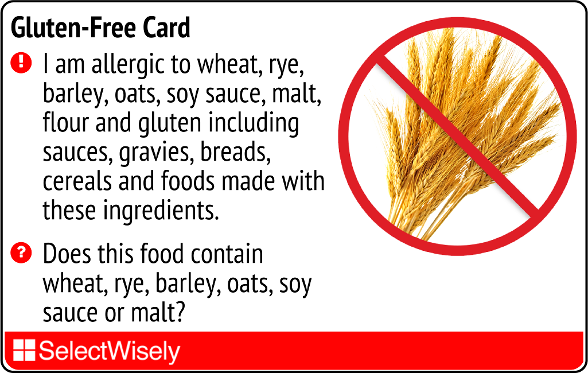
Carry a gluten-free chef card in Japanese. Many Tokyo restaurants want to help but face a language barrier; a written explanation of coeliac disease and cross-contamination is invaluable.
Ramen is a challenge — traditional ramen noodles are wheat. Look for 100% buckwheat soba (not all soba is GF; many mix wheat) or dedicated GF ramen shops.
The 'グルテンフリー' label is growing but not universal. Convenience stores have limited GF options; stock up at Natural House or Bio c'Bon if you find them.
Travelling to the coeliac-safe city?
Translation cards, travel snacks and portable essentials from the GF Pantry.



Frequently Asked Questions
Is Tokyo safe for coeliacs?
Tokyo is challenging but manageable with preparation. Soy sauce contains wheat and appears in most Japanese cooking, so you must research venues in advance, ask for tamari, and carry a Japanese-language gluten-free chef card.
Does Tokyo have dedicated gluten-free restaurants?
Dedicated GF restaurants are rare in Tokyo, but the number is growing. Most safe dining comes from restaurants offering GF menus or tamari-based cooking rather than entirely GF kitchens.
Can I eat sushi safely in Tokyo?
Only if you confirm they use tamari (wheat-free soy sauce) or skip the soy sauce entirely. Most sushi restaurants use regular shoyu, and some vinegared rice contains a wheat-based seasoning. Ask before ordering.
What should coeliacs avoid in Japan?
Assume soy sauce, ramen, udon, tempura batter, and many dressings contain wheat unless confirmed otherwise. Even dishes that seem rice-based may use wheat-based seasonings. When in doubt, ask.
Explore More City Guides
We use essential cookies to keep you logged in and remember your preferences, plus analytics cookies to improve the platform. See our Privacy Policy for details.