Dining in the United States as a coeliac is a different exercise to dining in Australia or the UK. The food is familiar, the language is nearly the same, and the spelling changes — but the safety framework underneath is not the same at all, and the word "gluten-free" carries less legal weight on a menu than most visitors assume.
This guide explains what the labels mean, which certifications are worth looking for, where US dining is genuinely excellent, and the specific phrases that separate a real protocol from a hopeful one.
First: the spelling, and the numbers
Americans write celiac, not coeliac, and celiac disease is the term you will see on menus and in medical settings. Around one percent of the US population has coeliac disease, and a large share remains undiagnosed — which is part of why staff knowledge varies so widely between cities and between individual restaurants in the same city.
You will also see "GF" used constantly, including as a menu icon that sometimes means "contains no gluten ingredients" and sometimes means "we will try".
What "gluten-free" is legally allowed to mean
For packaged food, the FDA's gluten-free labelling rule is clear. A product may only carry the claim if it contains no wheat, rye, barley or triticale (or any ingredient derived from them that has not been processed to remove gluten), and if it contains less than 20 parts per million gluten. The rule is voluntary — a product does not have to say gluten-free — but once a manufacturer uses the words, that standard applies.
What the rule does not cover is restaurant food. A menu that says gluten-free is making a claim the FDA does not police dish by dish. Enforcement sits with state and local health departments, and allergen training requirements differ from state to state.
So in the US, the menu tells you what a kitchen intends. The questions you ask tell you what it actually does.
The certifications worth recognising
Two names do real work here, and they cover different halves of the problem:
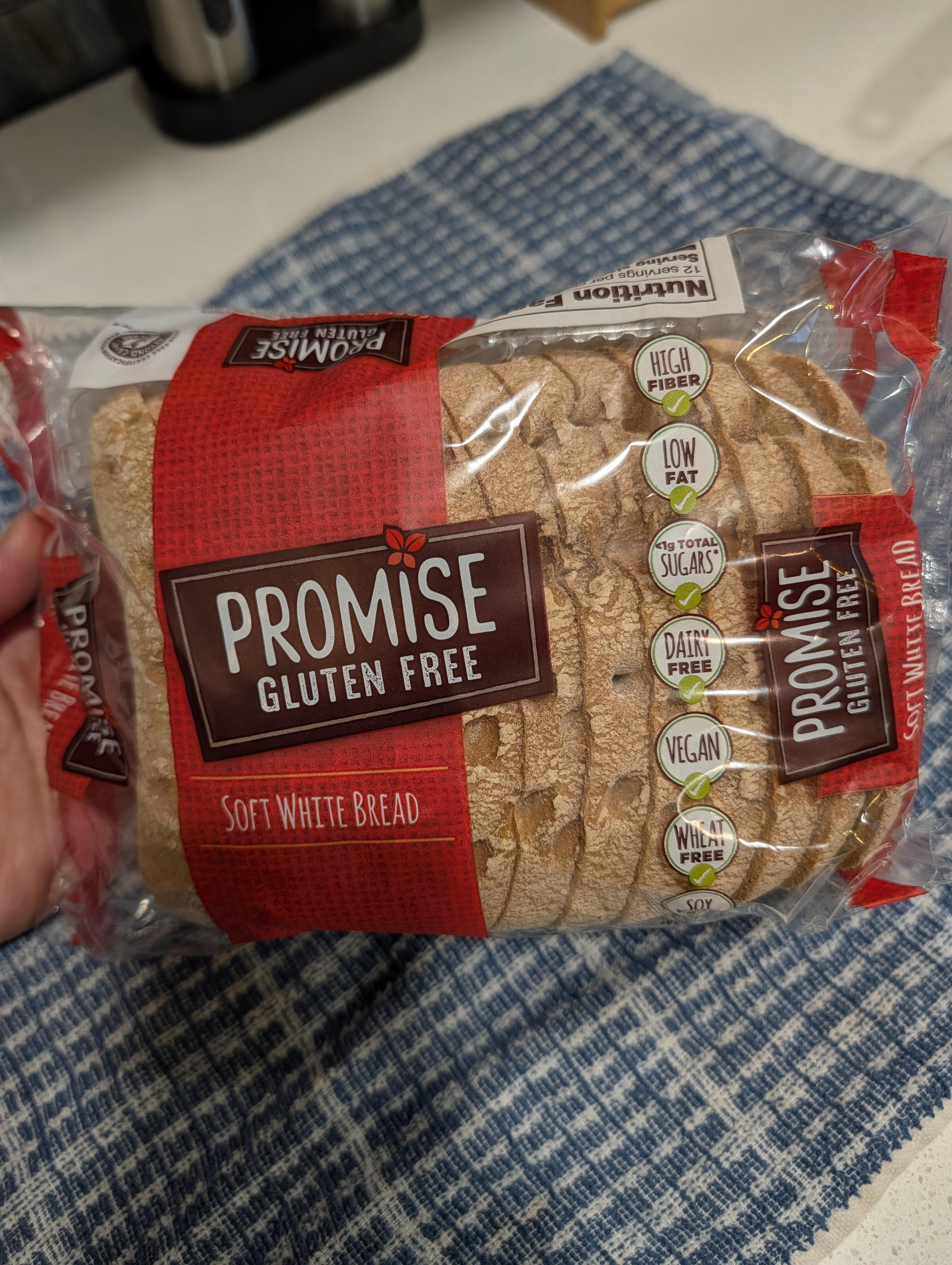
- Gluten-Free Certification Organization (GFCO) — an independent certification for packaged products, requiring testing to a stricter threshold than the FDA rule. Seeing the GFCO mark on a packet is a meaningful signal.
- Gluten-Free Food Service (GFFS) — a voluntary accreditation programme for restaurants and food service, run by Beyond Celiac. It involves training and an audit of cross-contact procedures, and it is the closest US equivalent to Coeliac UK's accreditation. The number of accredited venues is small, so treat it as a pleasant surprise rather than a planning assumption.
Anything else — a menu icon, a "GF" next to a dish, a laminated allergen folder — is self-declared. Useful, sometimes excellent, but not third-party verified.
Where the US is genuinely strong
The US does dedicated kitchens better than almost anywhere, because a single-minded gluten-free restaurant can be a destination business rather than a niche menu line. In New York, Modern Bread and Bagel and Senza Gluten operate entirely gluten-free kitchens; in Portland, New Cascadia Traditional is a dedicated gluten-free bakery; Chicago has Wheat's End Cafe, and Los Angeles has Breadblok. These are the venues where nobody has to ask a question at all.
As always with any listing: this is what was reported at the time of writing, kitchens change hands, and a quick call before you travel is worth more than any guide.
Outside those places, the pattern is city-shaped. New York, Los Angeles, San Francisco, Portland, Seattle, Chicago and Austin have dense gluten-free scenes and staff who have heard every question. Smaller cities and the suburbs rely far more on individual restaurant goodwill.
For the New York detail, see our New York restaurant guide and the New York city guide.
Where it goes wrong
- Pizza. Gluten-free bases are common; a separate oven, peel and cutter are not. Ask specifically, because a shared oven with flour dusting is a real risk.
- Shared fryers. In the US this is the single most common gap. "Gluten-free wings" fried in the same oil as breaded chicken are not gluten-free in any useful sense.
- Brunch. Pancake batters, shared griddles and powdered flour are everywhere. Brunch is the most cross-contact-prone meal of the American week.
- "Gluten-friendly". Read it as an honest warning rather than a promise.
- Bakery counters. Even a shop selling gluten-free loaves may cut and handle them on the same board as wheat bread.
What to ask, in order
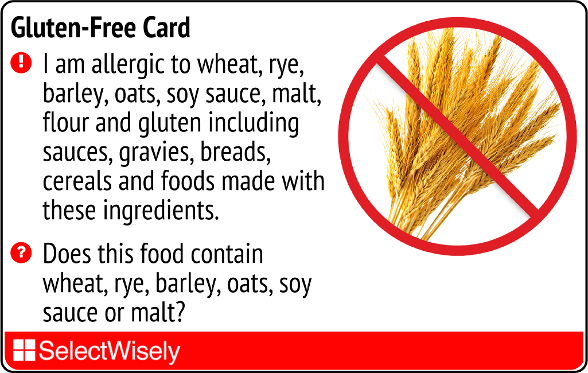
- "Is this made in a dedicated gluten-free area, or a shared kitchen?"
- "Do you have a dedicated fryer, and is it separate from the breaded items?"
- "Which sauces and dressings contain soy sauce, malt vinegar or flour?" — soy sauce is wheat-based unless it is tamari, and this catches more dishes than any other question.
- "Can the kitchen change gloves and use clean utensils and a clean pan?"
- "Who do you want me to speak to if you're not sure?" — the answer tells you everything about how the restaurant handles allergies.
If the answer to any of these is a shrug, believe it and go elsewhere. American cities are dense with options; you rarely have to gamble.
Practical notes
Reservations matter in popular cities and are usually free. Tipping of 18 to 20 percent is expected for table service. Portions are large and doggy bags are normal, which helps on travel days. And always carry a backup — a protein bar or a sealed snack — because airport terminals, highway stops and hotel breakfast buffets are where US travel days quietly fall apart.
Every venue we list is presented as reported, never as a guarantee. Before you book, confirm the fryer, the prep area and the sauces with the venue directly — and if something has changed, tell us so the next coeliac travelling through gets a better answer.
Want more gluten-free finds?
Join the Elios community