The UK and Ireland are among the more forgiving places in the world to eat gluten-free, and the reason is structural rather than cultural. Allergen information is a legal requirement here, not a favour granted by a patient waiter. Once you understand what the law requires, the questions get sharper and the answers get better.
This guide covers how labelling and allergen law work in the UK and Ireland, what accreditation actually means, the specific traps in pub food, and how the London and Dublin scenes differ from each other.
The legal floor is higher than most visitors expect
Under UK food information rules, the 14 regulated allergens — including cereals containing gluten — must be declared for food served non-prepacked. In practice that means written allergen information has to be available, or clearly signposted with a route to obtain it. A pub that tells you it "can't check" is not being cautious; it is not meeting the standard.
Since 2021, food prepacked for direct sale — the sandwich made on site and put in a chiller, the sausage roll on the counter — must carry a full ingredient list with allergens emphasised. Scotland has comparable rules. This is the change usually called Natasha's Law, and it made a real difference to the riskiest kind of purchase: the one made without speaking to anyone.
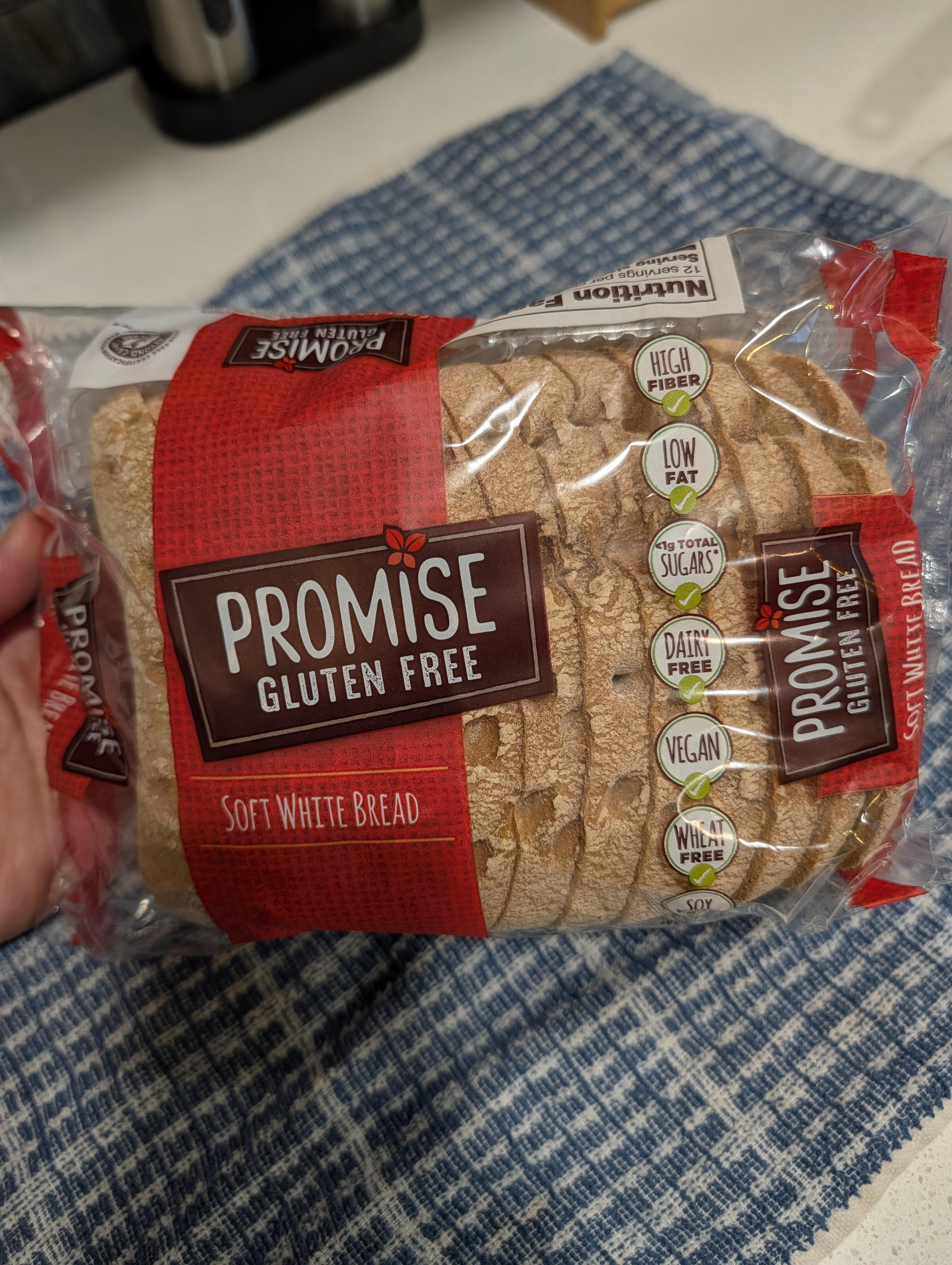
Separately, the phrase "gluten-free" on any UK food is legally tied to a threshold of 20 parts per million or less. There is also a "very low gluten" category, but it applies only to specialist processed foods and never to a restaurant dish — so if you see it on a menu, that is a misunderstanding worth noting.
Accreditation: what the badges mean
Coeliac UK runs a Gluten Free Accreditation scheme for caterers. It is voluntary, involves training and an audited procedure for cross-contamination, and is reassessed each year. Venues that hold it have had their kitchen practice examined by someone other than themselves — which is precisely the assurance a menu icon cannot give. The charity's venue directory and app are the practical starting point for planning.
In Ireland, the Coeliac Society of Ireland plays the equivalent role, with its own venue listings and guidance. Ireland has one of the highest rates of coeliac disease in the world, and Dublin's restaurant scene reflects that: staff generally know the terrain, and a serious question about a fryer rarely produces a blank stare.
Neither scheme covers everything. Plenty of excellent kitchens never apply, and a badge is not a warranty on the day. But between a venue with accreditation and one without, the accredited one starts ahead.
What "gluten-free" looks like on the ground
The UK's advantage is not that every restaurant is safe; it is that the information exists and staff are used to being asked. Menus commonly carry a "GF" or "GFO" (gluten-free option) marker, and chains will usually produce an allergen matrix — a spreadsheet you should read carefully rather than skim, because it distinguishes between a dish that is made without gluten and one that is at genuine risk of cross-contact.
Branch-to-branch variation is the catch. A chain's matrix may be national while the kitchen practice is down to whoever is running the pass. A dedicated fryer that exists on paper can still be handling battered cod at seven in the evening.
Pub food: the specific traps
British and Irish pub kitchens are wonderful and structurally risky. The recurring offenders:
- The fryer. Chips and battered fish share oil with breaded scampi and onion rings in most pubs. Ask whether there is a separate fryer, and ask to see it if the answer is vague.
- Gravy and Yorkshire puddings. Sunday roast gravy is usually thickened with wheat flour, and Yorkshire pudding batter is flour and egg. A carvery is one of the hardest meals to do safely in the UK because the same hands serve everything.
- Sausages and burgers. Most are rusk-bound. A gluten-free bun does not make a gluten-free burger.
- Sauces. Malt vinegar is a genuine trap on chips, as are ale-based pie gravies and soy-based stir-fry sauces.
- Toast and breakfast buffets. Shared toasters are a contamination point in almost every hotel, and the tongs at a buffet travel between dishes.
London and beyond
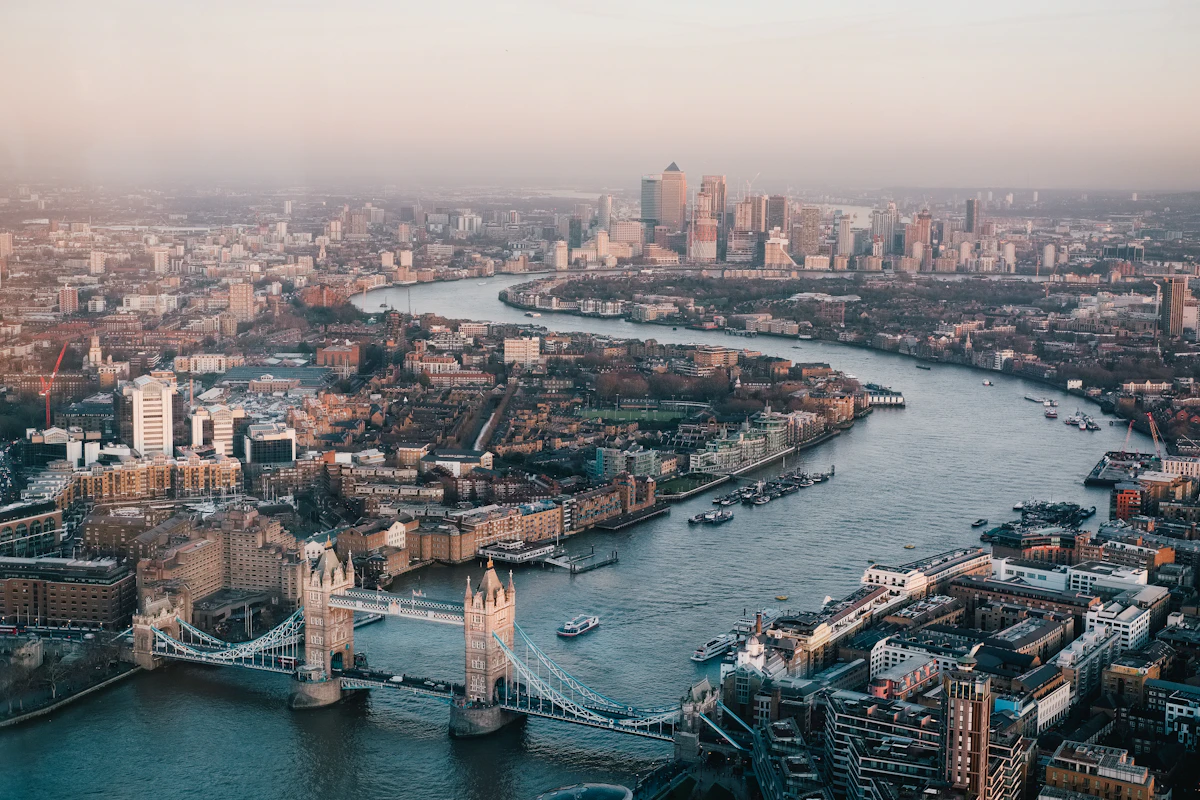
London is one of the strongest gluten-free cities anywhere, with a bench of entirely gluten-free kitchens — Beyond Bread for bakery and brunch, Niche for a full restaurant experience — plus a market scene where several stalls in a row cook gluten-free at source. Manchester, Bristol, Edinburgh, Glasgow and Belfast all have their own clusters, usually smaller and more word-of-mouth.
For Ireland, plan Dublin around the Coeliac Society's listings rather than generic review apps; the city's best gluten-free kitchens are known locally more than they are well-ranked online. Outside Dublin, rural Ireland is the one place in this guide where preparation matters most: village pubs may have no gluten-free bread, no separate fryer and limited allergen knowledge, so a self-catering base and a packed lunch are sensible.
How to order
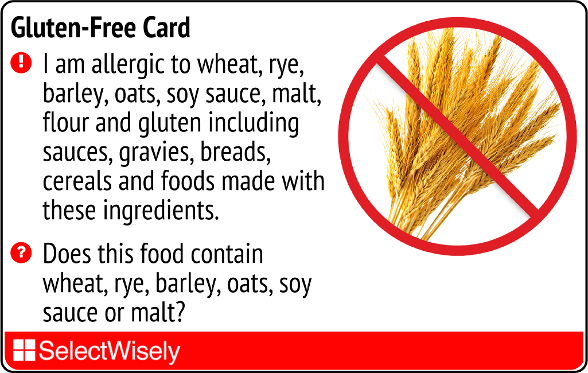
- Say "I have coeliac disease, not an intolerance" — the distinction changes what a UK kitchen does.
- Ask for the allergen matrix rather than describing your needs from scratch; it is faster and more accurate.
- Ask about the fryer, the toaster and the gravy, in that order.
- Ask whether the kitchen can change gloves and use a clean pan — most will, and most will tell you honestly if they cannot.
- At a carvery or buffet, ask for a plated dish from the kitchen instead.
Tipping is 10 to 12.5 percent, often already added as a service charge — check the bill. Booking is normal for dinner, and mentioning coeliac disease at the time of booking usually means the kitchen has been warned before you arrive.
Information in this guide reflects published rules and reported venue practice at the time of writing, not a guarantee for any individual meal. Confirm the fryer, the prep area and the sauces directly with the venue, and if a venue's practice has changed, tell us.
Want more gluten-free finds?
Join the Elios community