Europe and Asia are not one story about gluten. They are two different problems wearing the same label.
In much of Europe, the problem is knowledge — and in the strongest countries, that problem has been solved by law, subsidy and a coeliac association with real reach. In much of Asia, the problem is the pantry: the staple may be rice, but wheat hides in the sauce, the stock, the marinade and the shared wok, and the phrase "gluten-free" is not widely understood outside a handful of cities.
This guide covers what actually changes country by country, where the hidden wheat lives, and what to say.
Europe: where the systems exist
Italy is the best place in the world to be coeliac, and it is not close. Coeliac disease is recognised in law, gluten-free food is dispensed through pharmacies and subsidised in many regions, and the Italian Coeliac Association (AIC) publishes restaurant and gelateria listings that locals actually use. Senza glutine is understood in small towns, not just cities. Rome, Milan, Bologna and Naples all have entirely gluten-free bakeries and pizzerias. If you are planning one long trip, start here.
Spain comes second. Sin gluten is widely marked, the Spanish Coeliac Federation (FACE) maintains a directory of approved establishments, and Barcelona and Madrid have deep dedicated scenes. Bar culture is the catch: tapas means bread nearby, shared boards and croquettes that are almost always flour-bound.
Portugal is quietly excellent — sem glúten is well marked in Lisbon and Porto, and the Portuguese Coeliac Association lists venues. France is improving but uneven: sans gluten appears on packaging and in pharmacies, and Paris has serious gluten-free bakeries, yet many traditional bistros still cannot answer a cross-contact question. Germany, the Netherlands and the Nordics have strong labelling and supermarket ranges; glutenfrei and glutenvrij will be understood, and Swedish and Norwegian staff are typically well informed.
Greece and the Balkans are the harder end of Europe. Χωρίς γλουτένη (chorís glouténi) gets you understood in cities; island tavernas cook simply and well, which helps, but shared grills and flour-dusted surfaces do not.
Asia: where the wheat hides
Japan is the most commonly underestimated destination. Rice is everywhere, but soy sauce (shoyu) is usually brewed with wheat, mirin contains it, and most soba noodles are a buckwheat-wheat blend — the 100 percent buckwheat jūwari soba is the exception and even then the cooking water and dipping sauce matter. Miso varies by producer. Tempura batter and the shared fryer oil rule out most fried food. Tokyo has a small, dedicated gluten-free scene and a handful of informed restaurants; plan around them rather than improvising. See our Tokyo guide.
China hides wheat in the seasoning rather than the staple. Standard soy sauce (jiàngyóu), black vinegar and many marinades contain it, woks are shared, and in much of the country 无麸质 (wú fū zhì) will not be understood. Southern rice-based cooking is the practical route: steamed rice, plain steamed fish or vegetables, and dishes you can watch being made. Shanghai is the most workable city for a visitor. Our Shanghai guide covers the detail.
South Korea is similar — 글루텐 프리 is understood by younger staff in Seoul, but ganjang (soy sauce) and gochujang commonly contain wheat or barley, and rice cakes are sometimes dusted with wheat flour.
Thailand and Vietnam are more forgiving than they look, because rice noodles and fish sauce are naturally gluten-free — but oyster sauce, soy sauce and some curry pastes are not, and a shared wok with a wheat-based sauce on the next burner is a real risk. Pad thai sauce and pho broth both need checking.
India splits cleanly. South Indian dosa, idli and sambhar are rice and lentil, naturally gluten-free and easy to discuss; north Indian breads, atta flour and shared tandoors are not. Cross-contact in a busy kitchen is the limiting factor rather than ingredients.
Singapore and Hong Kong are the easy mode of Asia: English is universal, allergen conversations happen, and both cities have informed restaurants — though dim sum wrappers, soy sauce and shared steamers still need the usual questions.
The phrases that actually work
| Language | Gluten-free | I have coeliac disease | | --- | --- | --- | | Italian | senza glutine | sono celiaco / celiaca | | Spanish | sin gluten | soy celíaco / celíaca | | Portuguese | sem glúten | sou celíaco / celíaca | | French | sans gluten | je suis cœliaque | | German | glutenfrei | ich habe Zöliakie | | Greek | χωρίς γλουτένη | έχω κοιλιοκάκη | | Japanese | グルテンフリー | セリアック病です | | Korean | 글루텐 프리 | 셀리악병이 있습니다 | | Mandarin | 无麸质 | 我有乳糜泻 | | Thai | กลูเทนฟรี | ฉันเป็นโรคเซลิแอค | | Vietnamese | không có gluten | tôi bị bệnh celiac |
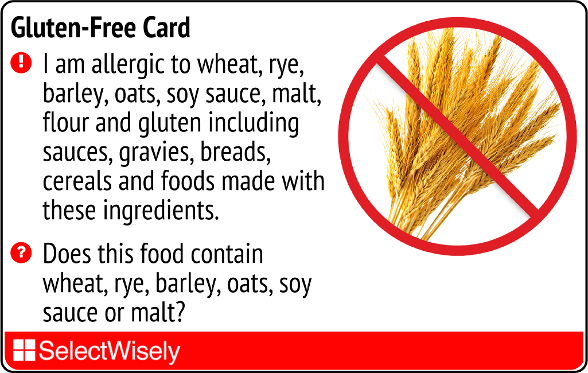
Two things to carry: a printed card in the local language that states the disease and asks about soy sauce, shared fryers and flour, and your own tamari sachets — a small bottle of wheat-free soy sauce solves more meals in Asia than any app.
The hotel breakfast problem
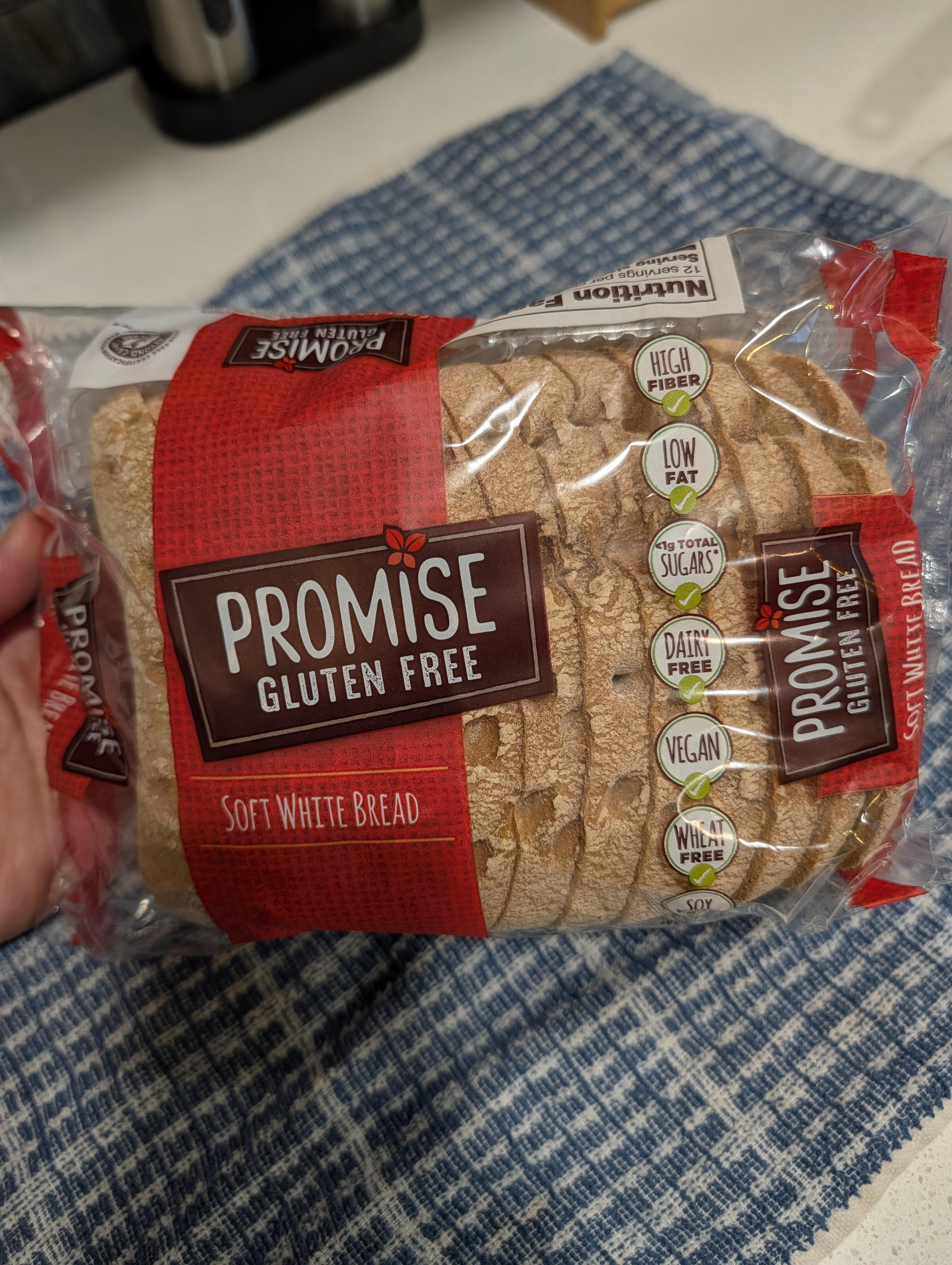
Buffets are where good planning comes undone: shared tongs, a communal toaster, cereal dispensers used by everyone, and bread baskets on the same table. Ask for sealed items — yoghurt, fruit, boiled eggs — or order from the kitchen instead. In southern Europe, a pharmacy is often the fastest source of certified gluten-free bread and biscuits.
Rules, subsidy schemes and venue practice change, and nothing here is a guarantee for a particular meal. Confirm directly with the venue, check current labelling, and if a place has changed its practice, tell us so the next coeliac travelling through is better prepared.
Want more gluten-free finds?
Join the Elios community