Travelling with coeliac disease adds planning to every trip, but it should never stop you from seeing the world. The difference between a stressful trip and a relaxed one is almost entirely preparation. This guide covers how to travel safely as a coeliac — from planning and packing to navigating airports and dining in unfamiliar cities.
Before you go: research and planning
The single most important step is knowing where you will eat before you arrive. A few hours of research at home saves days of anxiety on the road.
- Search coeliac-safe venues in your destination and save them to a collection for quick access while travelling.
- Check our city guides for destinations we cover — Brisbane, Sydney, Melbourne, Perth, Adelaide, Gold Coast, and New York.
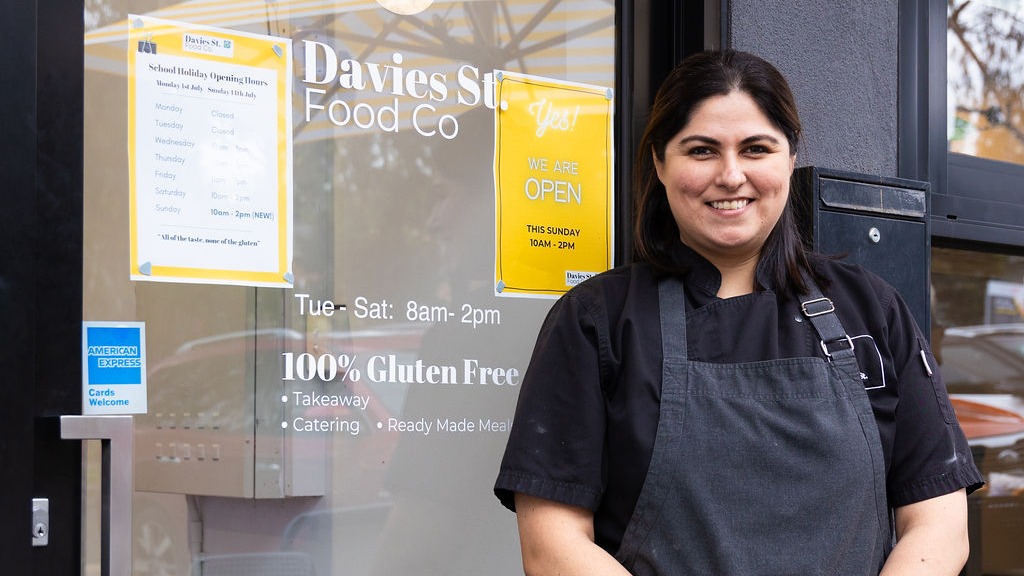
- Identify dedicated gluten-free kitchens at your destination. These are your safest options and the places to prioritise.
- Book ahead for dinner at trusted venues — the best coeliac-safe restaurants fill up, and a booking also lets the kitchen prepare.
What to pack
A small kit of safe food means you are never reliant on whatever is available.
- Gluten-free crackers and rice cakes — travel well, no refrigeration needed.
- Gluten-free muesli bars and protein bars — for long days and delayed flights.
- Sealed snacks — rice crackers, corn chips, dried fruit and nuts.
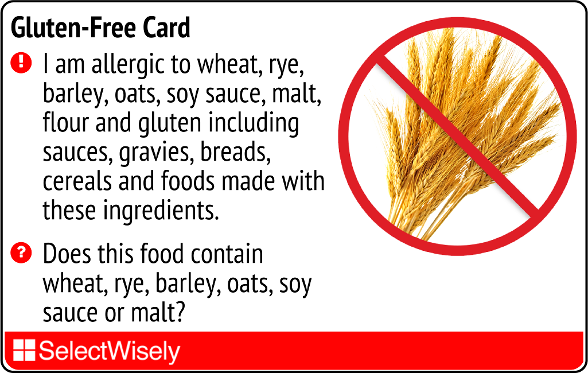
- A chef card — a brief, polite card explaining coeliac requirements in the local language. Essential for international travel.
- Gluten-free bread or wraps — useful for self-catering accommodation.
For domestic travel in Australia, solid gluten-free foods pass through security. For international travel, check the quarantine rules of your destination country before packing food.
Navigating airports
Airport dining is one of the hardest parts of travelling as a coeliac. Terminals are dominated by chains with shared kitchens, and dedicated gluten-free options are rare.
- Eat before you fly. A safe meal at a vetted venue before you reach the airport beats relying on terminal food.
- Carry snacks through security. Solid gluten-free foods are allowed through domestic security in Australia.
- Pre-order your flight meal. Most airlines offer gluten-free meals if requested at least 48 hours in advance. Airline gluten-free meals are ingredient-safe but may not be cross-contact safe for highly sensitive coeliacs.
- Treat airport hot food with caution. Shared kitchens mean hot food is rarely coeliac-safe. Pre-packaged gluten-free products are the safest choice inside terminals.
Dining in unfamiliar cities
When you arrive in a new city, the safest strategy is to rely on venues you have already vetted.
- Start with dedicated gluten-free kitchens. They eliminate cross-contact risk entirely.
- Call ahead to shared kitchens. Ask about dedicated fryers, prep areas and whether staff understand coeliac cross-contamination.
- State your coeliac status clearly when ordering. The kitchen must be told, not just the server.
- Favour cuisines that are naturally lower-risk — Thai, Mexican, Indian and Japanese — but still confirm soy sauce and fryer status.
- Read recent community reviews on Elios Table before you visit — protocols drift and staff change.
When something goes wrong
Even with preparation, you may find yourself somewhere with no safe options.
- Use your snack kit. That is exactly what it is for.
- Look for plain, single-ingredient foods — fruit, yoghurt, rice, grilled meat without sauce. Lower risk, though not zero risk in a shared kitchen.
- Trust your instincts. If a venue cannot clearly explain its protocols, leave. A missed meal is better than getting sick while travelling.
A coeliac travel checklist
- [ ] Research coeliac-safe venues at your destination.
- [ ] Save vetted venues to a collection on Elios Table.
- [ ] Pack a snack kit with gluten-free crackers, bars and sealed snacks.
- [ ] Prepare a chef card in the local language for international travel.
- [ ] Pre-order gluten-free flight meals at least 48 hours in advance.
- [ ] Book dinner at trusted venues before you arrive.
- [ ] Eat a safe meal before you reach the airport.
Frequently Asked Questions
Can you travel internationally with coeliac disease? Yes. Research, packing a snack kit and carrying a chef card in the local language make international travel entirely manageable. The key is never relying on finding safe food at the last minute.
What should a coeliac pack when travelling? Gluten-free crackers, rice cakes, muesli bars, protein bars, sealed snacks and a chef card. For self-catering trips, add gluten-free bread or wraps.
Are airline gluten-free meals coeliac-safe? Airline gluten-free meals are ingredient-safe but may not be cross-contact safe for highly sensitive coeliacs, as they are prepared in shared facilities. Pack snacks as a backup.
This guide provides general travel advice only. Always confirm current protocols with each venue before dining, and check the quarantine and security rules of your destination before packing food. Elios Table does not provide medical advice and cannot guarantee the accuracy of third-party information.
Want more gluten-free finds?
Join the Elios community